
Acne is not just a temporary skin issue, but a chronic inflammatory disease that can affect both appearance and emotional well-being. In this article, we explain where acne comes from, the biological mechanisms behind its development, and why simply “washing your face more” is not a solution. We discuss modern treatment approaches, the role of proper skincare and dermatological procedures, and provide a detailed explanation of when isotretinoin is used and what side effects it may involve. This is a reliable, medically grounded guide for anyone who wants to understand the condition and approach treatment in an informed way.
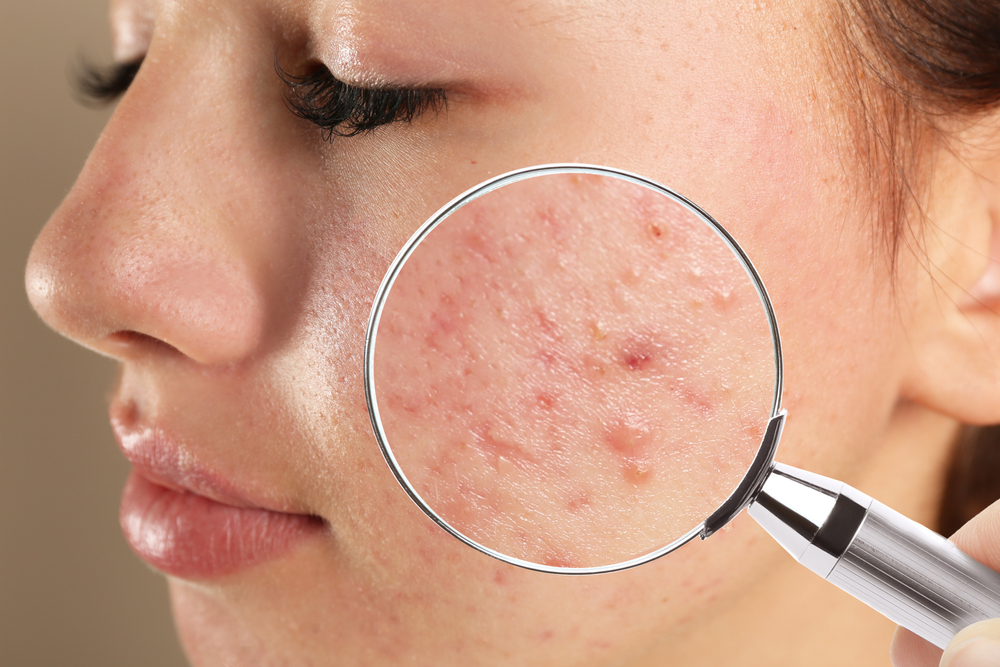
Acne is one of the most common dermatological diseases worldwide and represents a chronic inflammatory disorder of the pilosebaceous unit. The most typical form is acne vulgaris, which primarily affects adolescents but is increasingly observed in adults as well. The condition develops within hair follicles and sebaceous glands, located mainly on the face, back, and chest. Contrary to common myths, acne is not caused by poor hygiene but by complex hormonal, immunological, and genetic processes.
The development of acne is based on four main pathogenic mechanisms. The first is excessive sebum production, stimulated by androgens, particularly during puberty. Excess sebum creates an environment favorable for bacterial growth and comedone formation. The second mechanism is abnormal keratinization of the follicular outlet, leading to the formation of keratin plugs that block the sebaceous gland opening. The third factor is the proliferation of Cutibacterium acnes bacteria, which break down sebum components and activate the skin’s immune system. The fourth element is inflammation, responsible for painful, red lesions.
The clinical presentation of acne is varied. In mild forms, open and closed comedones predominate, while moderate and severe cases include papules, pustules, nodules, and inflammatory cysts. Untreated lesions may lead to atrophic or hypertrophic scars and post-inflammatory hyperpigmentation. Beyond physical symptoms, acne has a significant impact on quality of life. Especially in young people, it can contribute to low self-esteem, social withdrawal, anxiety, and depressive symptoms.
Factors that may worsen acne include genetic predisposition, stress, a high glycemic index diet, certain medications such as corticosteroids, androgens, and lithium, as well as the use of comedogenic cosmetics. In women, hormonal disorders such as polycystic ovary syndrome may play an important role.
Acne treatment depends on the severity of the disease. Mild forms are managed with topical therapy, including retinoids that normalize keratinization and prevent comedone formation, benzoyl peroxide with antibacterial properties, and azelaic acid, which has anti-inflammatory and depigmenting effects. In moderate cases, topical or oral antibiotics may be added, always as part of combination therapy to reduce the risk of bacterial resistance.
In severe, treatment-resistant, or scarring forms of acne, isotretinoin, an oral retinoid, is used. This medication acts on all major pathogenic mechanisms of acne. It significantly reduces the size and activity of sebaceous glands, decreases sebum production by up to 80–90 percent, normalizes follicular keratinization, has anti-inflammatory effects, and reduces bacterial colonization. Treatment usually lasts several months and continues until an appropriate cumulative dose is achieved.
Despite its high effectiveness, isotretinoin is associated with side effects. The most common include dryness of the skin and mucous membranes, cheilitis, dry eyes, skin peeling, and increased sensitivity to ultraviolet radiation. Laboratory tests may show a temporary rise in liver enzymes and lipid levels. Some patients experience muscle and joint pain. The drug has strong teratogenic effects, making it absolutely contraindicated during pregnancy and requiring strict contraceptive measures for women of childbearing age.
Supportive skincare plays an important role in therapy. Gentle cleansing products are recommended, along with regular moisturizing even for oily skin and daily sun protection. Patients should avoid squeezing lesions and aggressive mechanical procedures that may lead to scarring.
Dermatological procedures can support pharmacological treatment. Chemical peels with salicylic or mandelic acid help reduce comedones and hyperpigmentation. LED light therapy has antibacterial and anti-inflammatory effects. Laser therapy can be used to treat both inflammatory lesions and acne scars. Microneedling stimulates collagen production and improves skin texture. However, intensive procedures are contraindicated during treatment with oral retinoids.
The prognosis in acne depends on early initiation and consistency of treatment. Properly managed therapy reduces the risk of scarring and psychological complications and can lead to long-term remission of the disease.
Bibliography:
Zaenglein AL et al., Guidelines of care for the management of acne vulgaris, Journal of the American Academy of Dermatology.
Thiboutot D., Pathogenesis of acne, Journal of Clinical and Aesthetic Dermatology.
European Dermatology Forum, Guidelines for the treatment of acne.
Global Alliance to Improve Outcomes in Acne, International consensus recommendations.
Systematic reviews on isotretinoin efficacy and safety in dermatology journals.

