


Delusions of Reference: Why Do Random Events Begin to Feel Like Messages Directed Specifically at Us?
Two people sitting a few tables away start laughing at exactly the moment we enter a café. A television presenter says something that strangely matches a situation we were just thinking about. The same distinctive number appears several times during the day. A social media post shows up that seems almost like a perfect response to our thoughts.

What Happens in the Brain in Mental Disorders? A New Map of the Human Prefrontal Cortex
Why can the same disorder follow a completely different course in two people with a similar diagnosis? Why does the same medication help one person but prove ineffective in another? In September 2026, the results of one of the largest projects investigating gene activity in individual cells of the human prefrontal cortex were published.

Postpartum Depression: What Happens to a Woman’s Mental Health After Childbirth?
The birth of a child is associated with joy, closeness, and the beginning of a new chapter in life. Yet for some women, the first weeks and months after childbirth become a period of profound exhaustion, anxiety, low mood, and guilt.

Sex Addiction: What Are Compulsive Sexual Behaviours and When Do They Require Treatment?
“Sex addiction” is a term commonly used in everyday language, but having a high sex drive does not in itself indicate a disorder. Frequent sex, daily masturbation, or pornography use can all fall within the range of healthy sexuality.

Suicidal Crisis – How to Recognize When Someone Needs Help
Every year, more than 720,000 people worldwide die by suicide. Even more attempt suicide or experience thoughts of taking their own lives. September 10 marks World Suicide Prevention Day. In 2026, WHO continues its “Changing the Narrative on Suicide” campaign, with the call to action “Start the Conversation”.

Childhood Cancer – Early Symptoms Worth Knowing
September is Childhood Cancer Awareness Month, symbolized by the gold ribbon. It is an important opportunity to raise awareness of diseases that are rare but require timely diagnosis. Childhood cancers often begin with symptoms that resemble much more common infections and other benign childhood conditions.
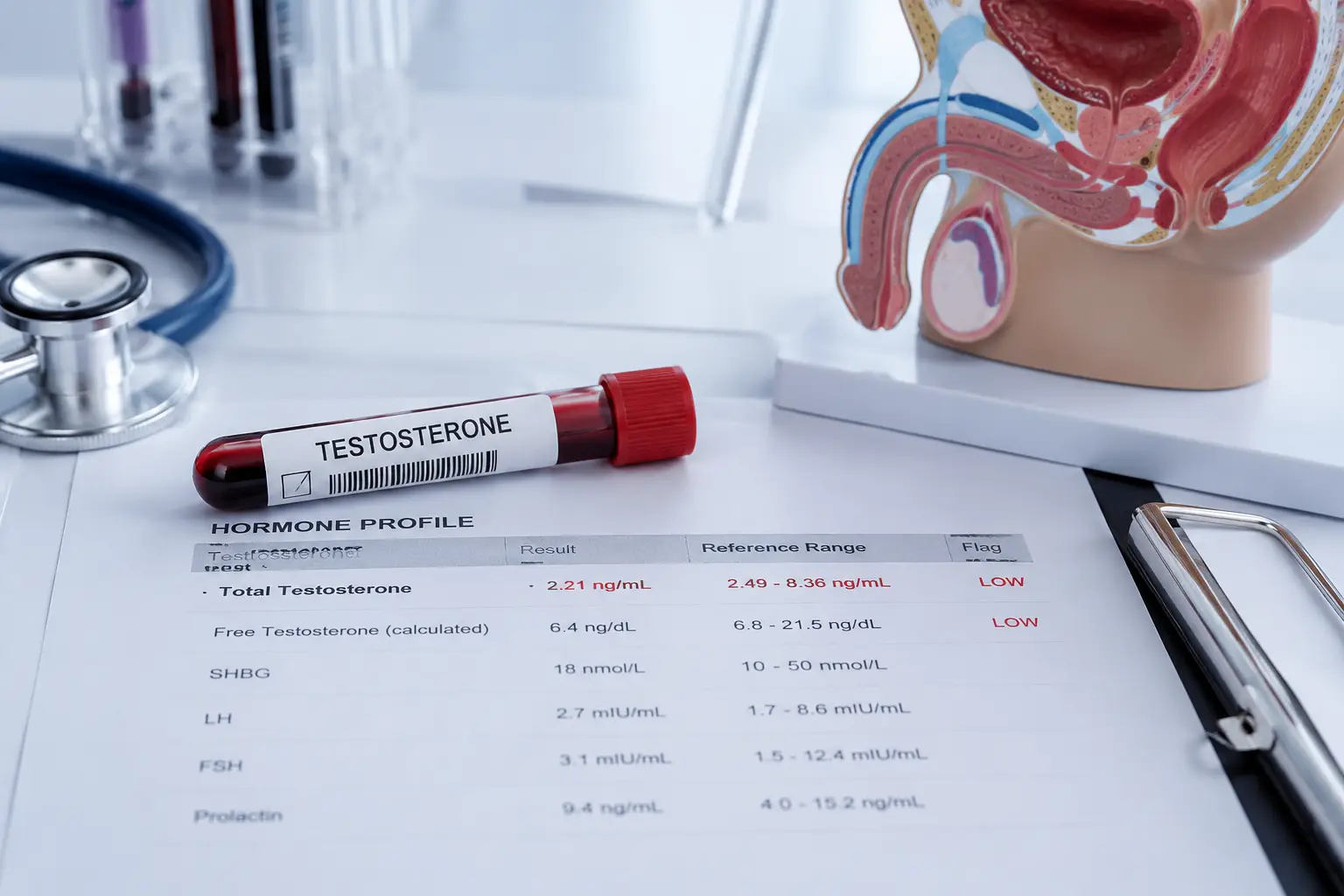
Low Testosterone – a Sign of Disease or a Consequence of Lifestyle?
Reduced libido, chronic fatigue, erectile dysfunction, or loss of muscle strength may accompany testosterone deficiency. However, similar symptoms can also occur with obesity, sleep disorders, depression, chronic illnesses, and the use of certain medications. Moreover, a single low testosterone result is not sufficient to diagnose hypogonadism.
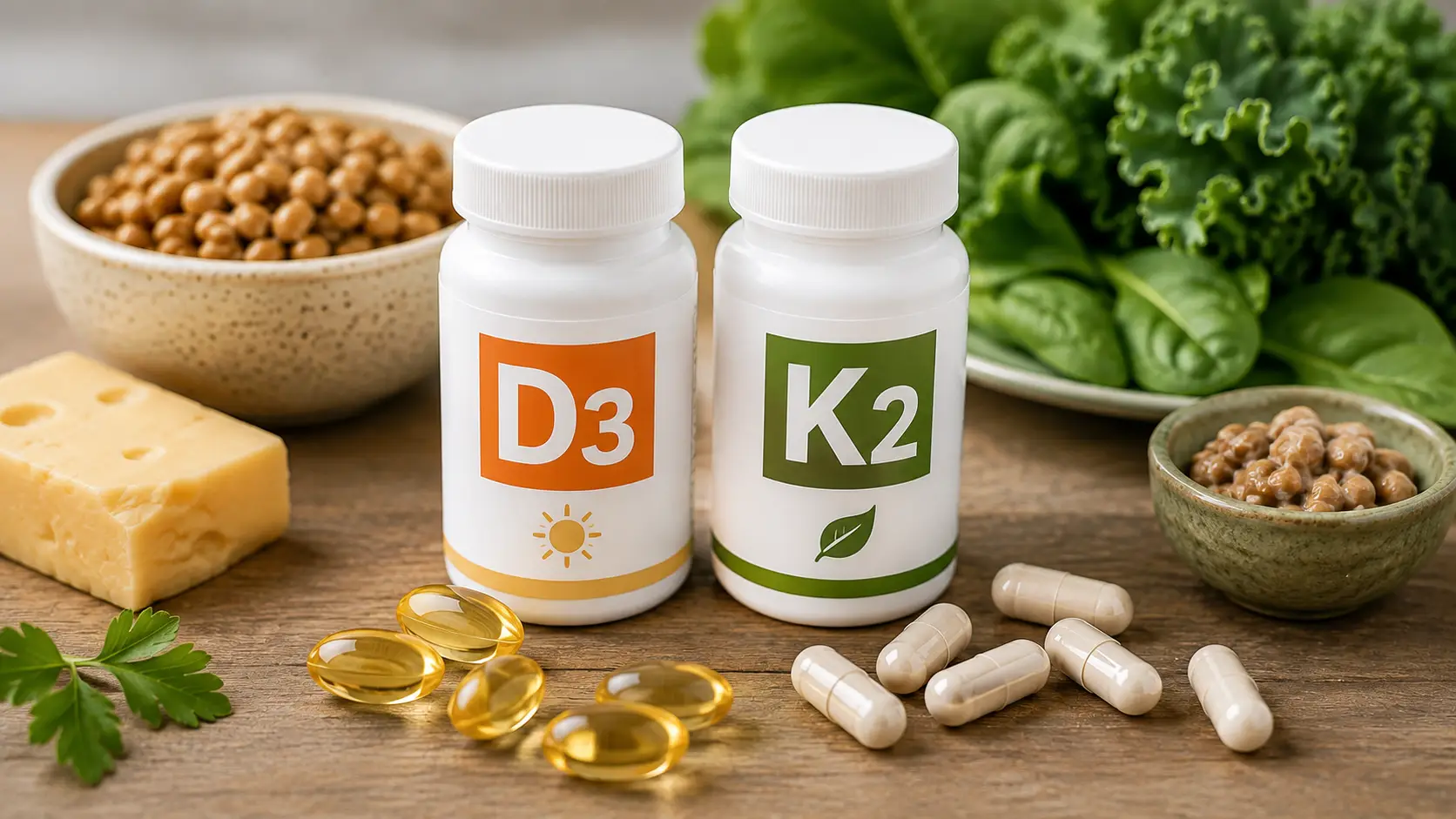
Vitamin K2 – Do You Really Need to Take It with Vitamin D3?
In recent years, combining vitamin D3 with K2 has become almost standard in supplements. Advertisements and social media often claim that vitamin D increases calcium absorption, while vitamin K2 “directs it to the bones instead of the arteries.” It sounds logical, is easy to remember, and helps sell supplements. The problem is that human biology is more complicated than one catchy phrase.

Early Signs of Schizophrenia – What Can Appear Before Psychosis Develops?
Schizophrenia is primarily associated with hallucinations, delusions, and a clear loss of contact with reality. However, in some patients, the first changes appear earlier and may initially be difficult to recognize as symptoms of an illness. Someone may begin avoiding friends, struggle more at university or work, neglect everyday responsibilities, lose interest in activities, or simply start behaving differently than before.
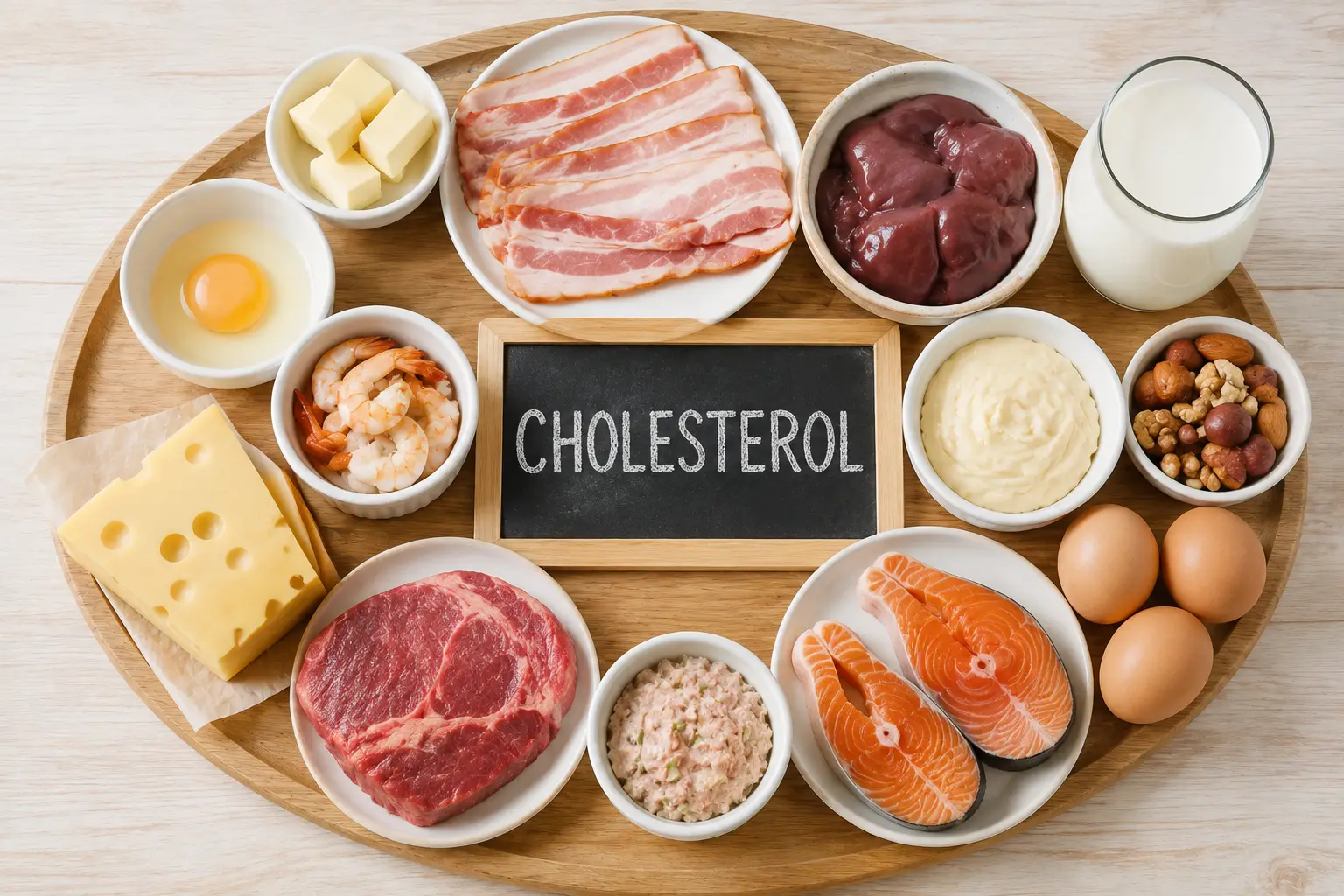
High Cholesterol in a Slim Person – What Causes It?
“I’m slim and I eat healthily, so why is my cholesterol so high?” – this is a very common question after receiving blood test results. High cholesterol is still primarily associated with being overweight, eating a high-fat diet, and not getting enough exercise. However, a person with a healthy body weight can have very high LDL cholesterol levels, and being slim does not protect against atherosclerosis.
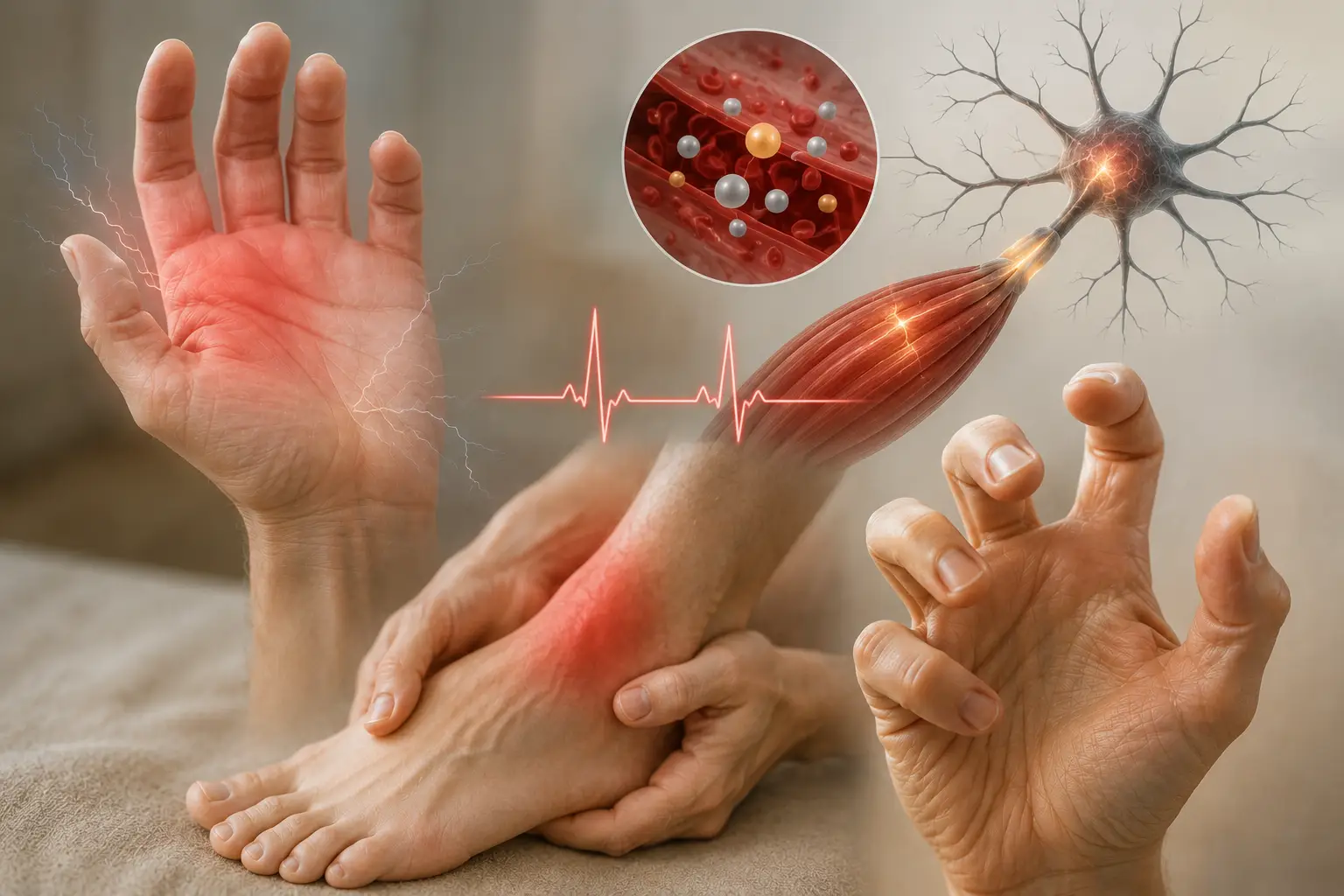
Tetany – The Role of Calcium, Magnesium, and Vitamin D
Numbness in the fingers. Tingling around the mouth. Suddenly, it becomes difficult to take a deep breath. The heart starts beating faster, the hands become stiff, and the fingers involuntarily curl inward. In such moments, many people are convinced they are having a heart attack or a stroke, or that something life-threatening is happening.

How Can You Tell the Difference Between Normal Forgetfulness and the First Signs of Memory Problems?
You walk into the kitchen and suddenly wonder why you went there in the first place. You spend several minutes looking for your glasses, only to realize they’ve been sitting on top of your head the whole time. You can’t remember an actor’s name, even though you clearly remember the movie they starred in.

Low ferritin – what does it mean, and when does it require treatment?
Fatigue, low energy, difficulty concentrating, shortness of breath when climbing stairs, increased sleepiness, or excessive hair loss are symptoms that many people attribute to stress, overwork, or vitamin deficiencies. Increasingly, however, these symptoms turn out to be caused by iron deficiency that has been developing for months before anemia becomes apparent on a complete blood count (CBC).

Collagen for Skin and Joints – Does Supplementation Really Work?
Collagen in powder, liquid, sachet, and capsule form has become one of the most popular supplements in recent years. Advertisements promise younger-looking skin, fewer wrinkles, stronger hair, healthier joints, and faster recovery. At the same time, it is often argued that “collagen is digested anyway, so drinking it makes no sense.” Where does the truth lie?

Obsessive-Compulsive Disorder (OCD) – When Intrusive Thoughts Take Control of Everyday Life
Have you ever returned home just to check whether you had definitely locked the front door? Or perhaps reread a text message after sending it to make sure it contained no mistakes? Behaviors like these are completely normal and experienced by most people. The problem begins when intrusive thoughts become impossible to control and repetitive behaviors start consuming hours of each day.

Selective Mutism – Why Does a Child Stop Speaking at Preschool or School?
At home, the child eagerly talks about their day, laughs, asks questions, and communicates freely with close family members. At preschool or school, however, they suddenly become silent. They do not answer the teacher, do not speak to their peers, and avoid eye contact. For many parents, this behavior is a source of concern, while others often mistakenly interpret it as shyness, poor manners, or stubbornness.
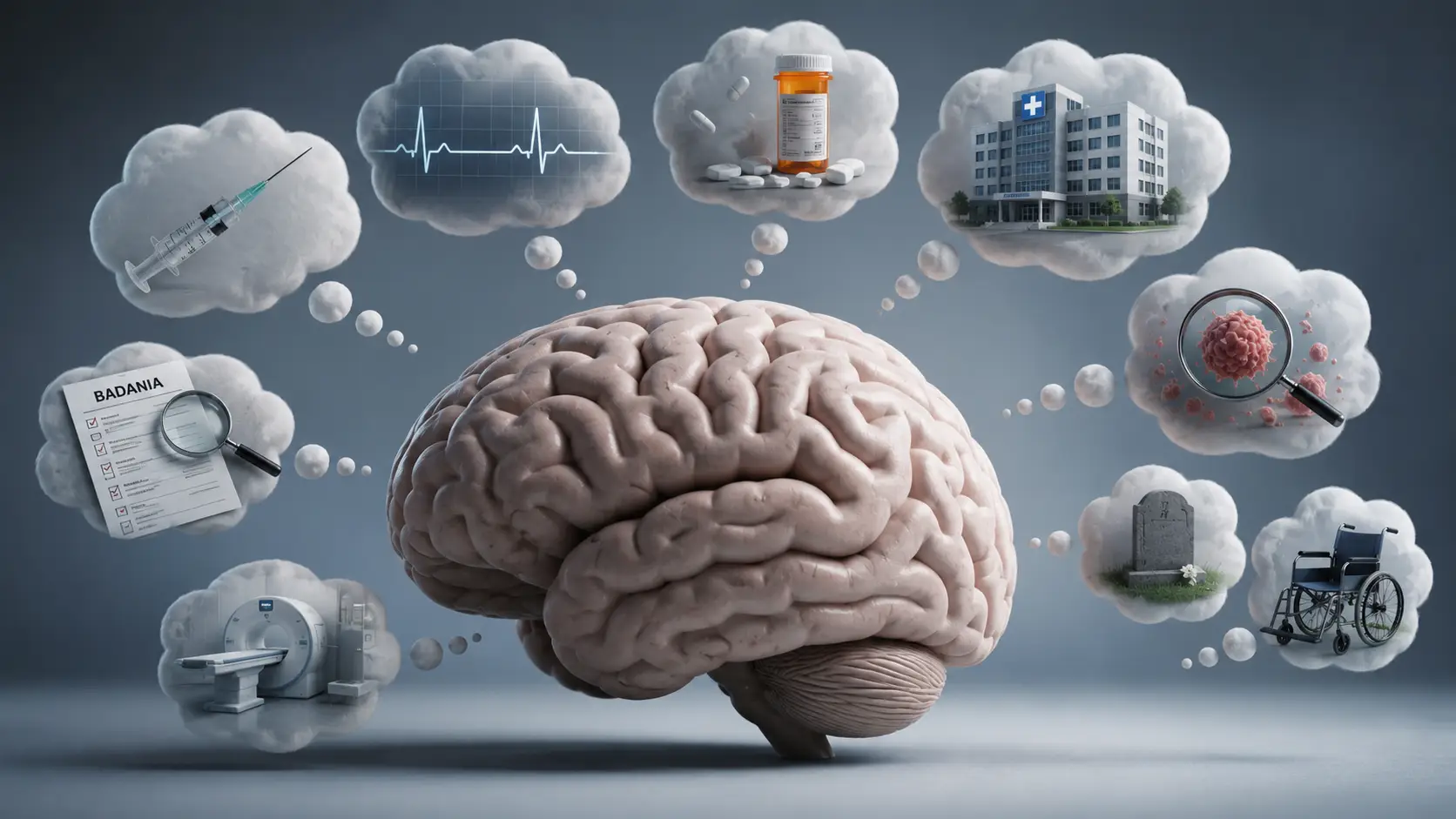
Hypochondria – Why Don’t Normal Test Results Provide Reassurance?
A headache means a brain tumour. Heart palpitations signal a heart attack. A mild cough could be a sign of cancer. For most people, such thoughts occur occasionally and quickly pass. For individuals with hypochondria, they become part of everyday life. Even normal medical test results often fail to provide lasting reassurance, while the need for further medical consultations and the search for new illnesses continues to grow.
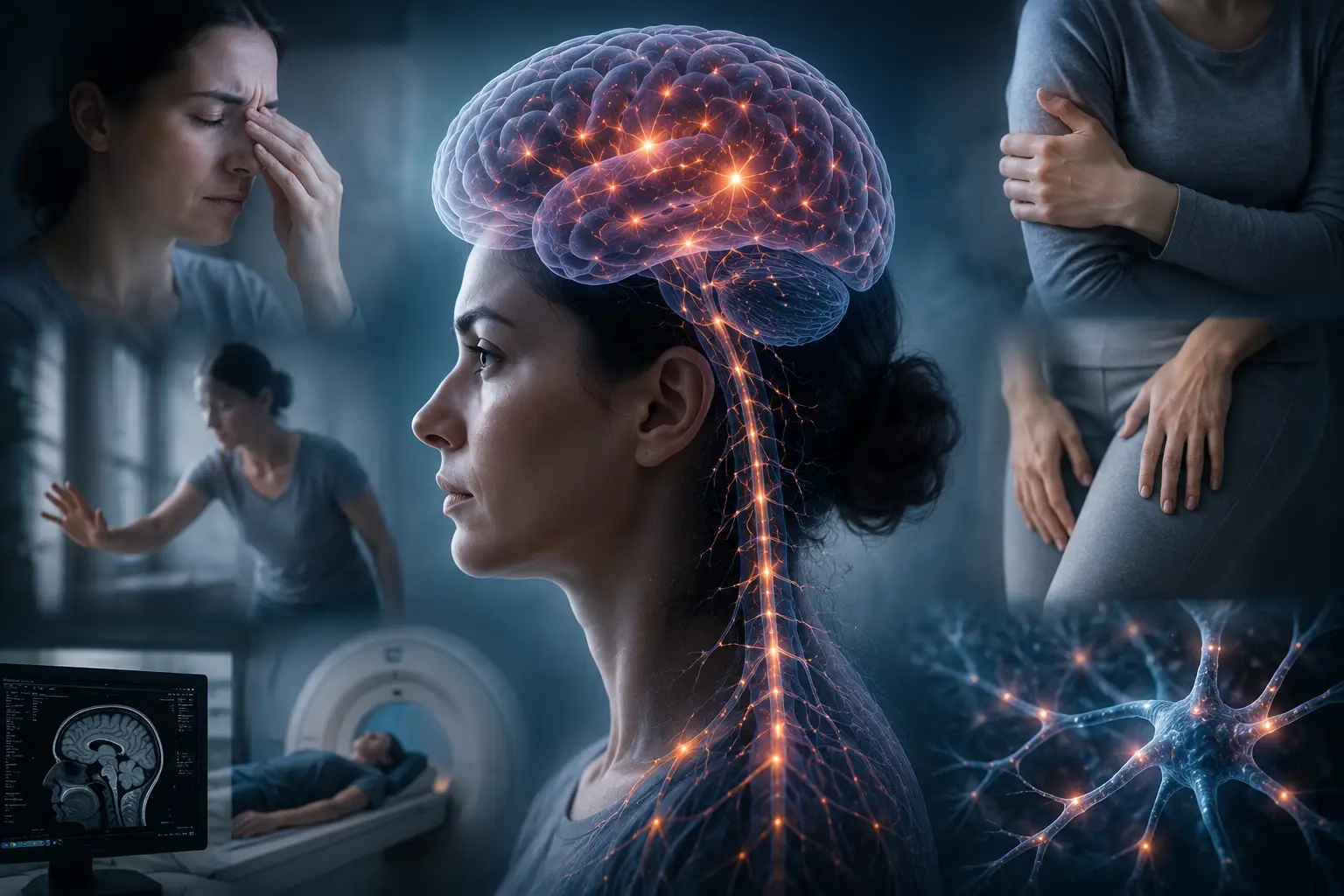
Multiple Sclerosis: Early Symptoms You Shouldn’t Ignore
Numbness in an arm, sudden vision problems, balance difficulties, or unexplained weakness. For many people, this is how multiple sclerosis (MS) begins. For years, the disease was primarily associated with disability, but modern medicine has significantly improved both diagnostic and treatment options.
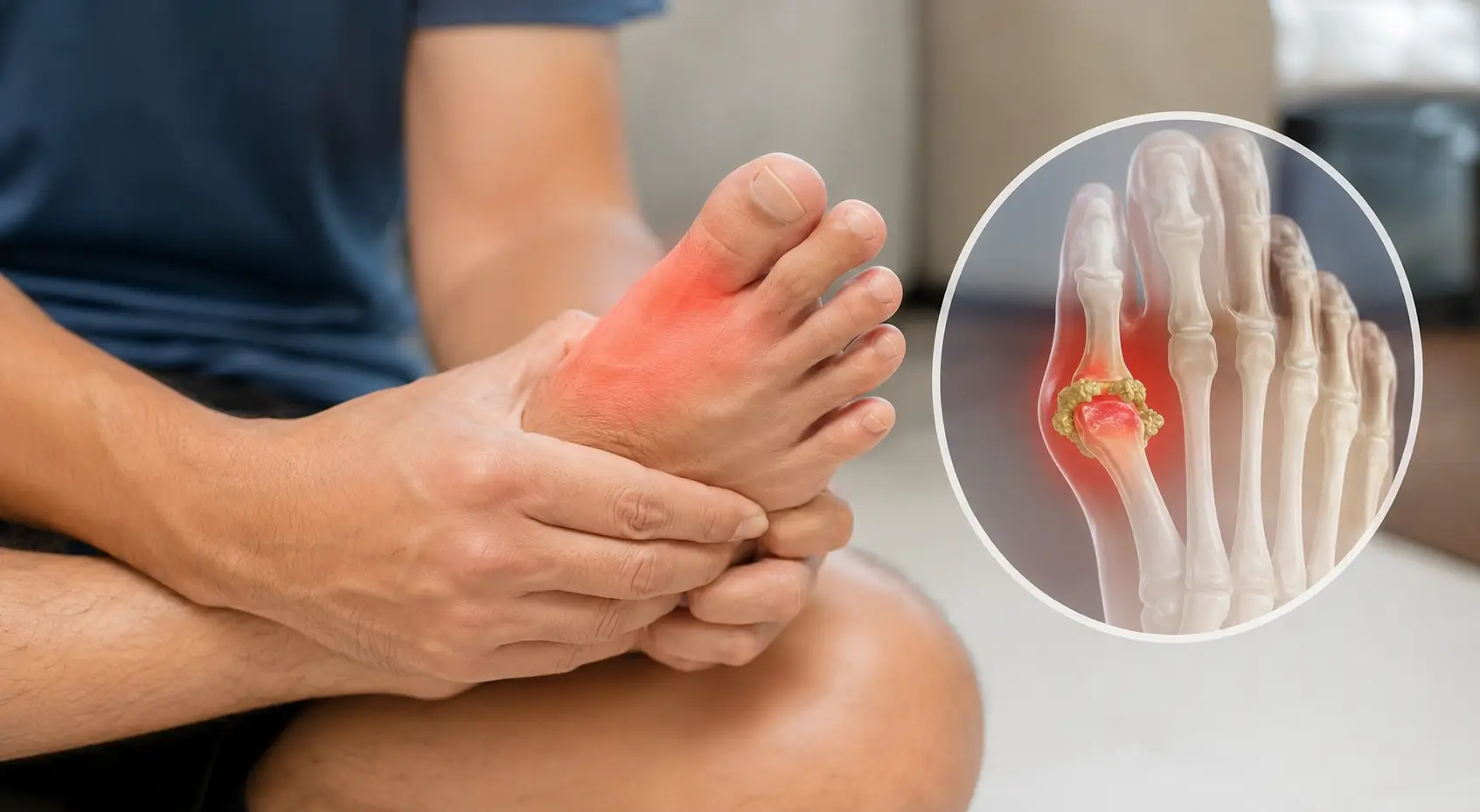
Gout – Why Does an Attack Appear Suddenly and Cause Such Severe Pain?
A sudden, extremely intense joint pain that often occurs in the middle of the night and can wake a person from sleep. Redness, swelling, and extreme tenderness to touch may become so severe that even the weight of a light bedsheet can cause significant discomfort. This is how a gout attack most commonly begins – a disease historically known as the “disease of kings,” which today represents an increasingly common public health problem.

Sugar Under the Microscope – What Does the Research Really Say?
For years, sugar has been at the center of debates about health. Some consider it one of the main causes of modern lifestyle diseases, while others emphasize that it is a natural source of energy essential for the proper functioning of the body. As is often the case in medicine, the answer is not black and white.