
Obsessive-Compulsive Disorder (OCD) – When Intrusive Thoughts Take Control of Everyday Life

Have you ever returned home just to check whether you had definitely locked the front door? Or perhaps reread a text message after sending it to make sure it contained no mistakes? Behaviors like these are completely normal and experienced by most people. The problem begins when intrusive thoughts become impossible to control and repetitive behaviors start consuming hours of each day.
Selective Mutism – Why Does a Child Stop Speaking at Preschool or School?

At home, the child eagerly talks about their day, laughs, asks questions, and communicates freely with close family members. At preschool or school, however, they suddenly become silent. They do not answer the teacher, do not speak to their peers, and avoid eye contact. For many parents, this behavior is a source of concern, while others often mistakenly interpret it as shyness, poor manners, or stubbornness.
Hypochondria – Why Don’t Normal Test Results Provide Reassurance?
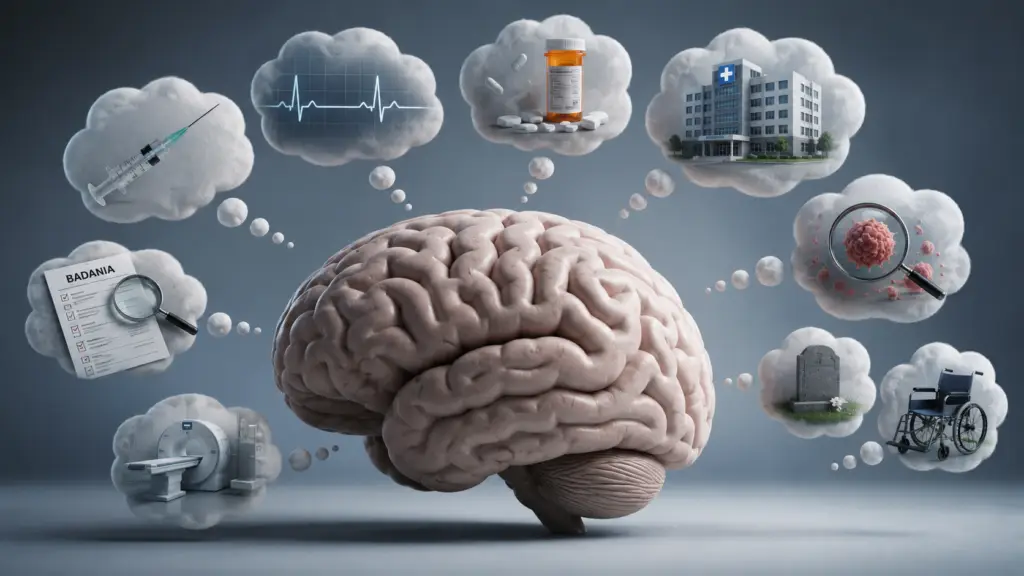
A headache means a brain tumour. Heart palpitations signal a heart attack. A mild cough could be a sign of cancer. For most people, such thoughts occur occasionally and quickly pass. For individuals with hypochondria, they become part of everyday life. Even normal medical test results often fail to provide lasting reassurance, while the need for further medical consultations and the search for new illnesses continues to grow.
Multiple Sclerosis: Early Symptoms You Shouldn’t Ignore
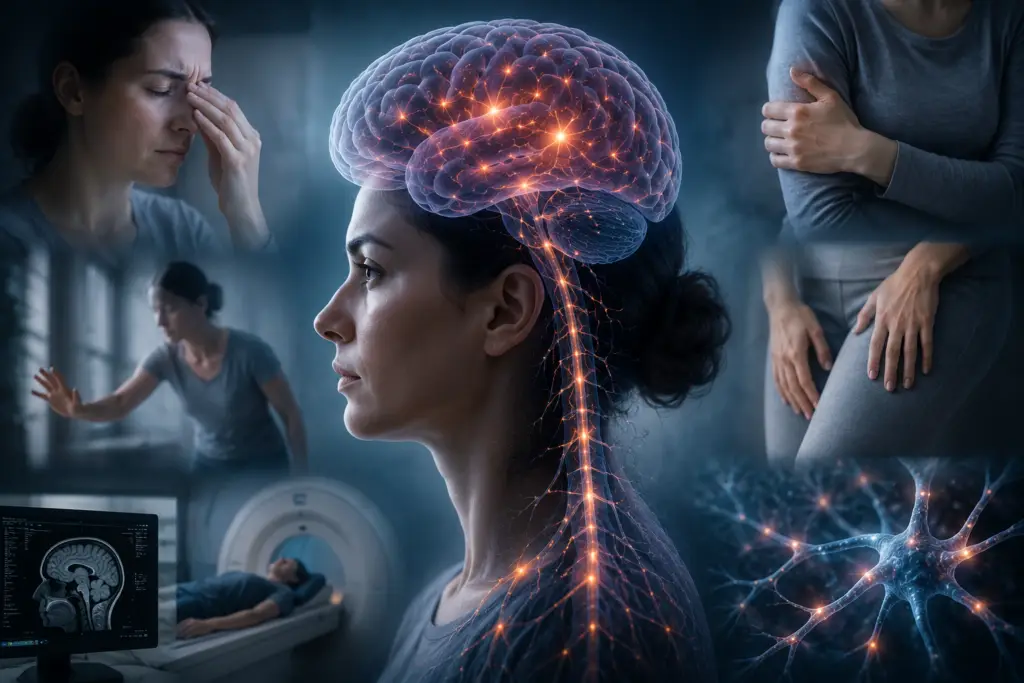
Numbness in an arm, sudden vision problems, balance difficulties, or unexplained weakness. For many people, this is how multiple sclerosis (MS) begins. For years, the disease was primarily associated with disability, but modern medicine has significantly improved both diagnostic and treatment options.
Gout – Why Does an Attack Appear Suddenly and Cause Such Severe Pain?

A sudden, extremely intense joint pain that often occurs in the middle of the night and can wake a person from sleep. Redness, swelling, and extreme tenderness to touch may become so severe that even the weight of a light bedsheet can cause significant discomfort. This is how a gout attack most commonly begins – a disease historically known as the “disease of kings,” which today represents an increasingly common public health problem.
Sugar Under the Microscope – What Does the Research Really Say?

For years, sugar has been at the center of debates about health. Some consider it one of the main causes of modern lifestyle diseases, while others emphasize that it is a natural source of energy essential for the proper functioning of the body. As is often the case in medicine, the answer is not black and white.
Borderline Part 2 – DSM-5 vs ICD-11. Why Has the Approach to Diagnosis Changed?

Modern psychiatry is increasingly moving away from the simple idea of “you either have borderline or you don’t.” The latest ICD-11 classification has changed the way personality disorders – including borderline – are diagnosed, focusing more on the severity of difficulties and the individual’s functioning rather than rigid diagnostic categories. How does DSM-5 differ from ICD-11, and why does it matter?
Borderline – why do emotions so easily take control?

Some people live in a constant state of emotional tension that those around them often do not even notice. An intense fear of rejection, sudden emotional shifts, feelings of emptiness, or difficulty calming down can affect relationships, daily functioning, and the way a person sees themselves. Increasing research shows that these symptoms are not caused solely by emotions themselves, but also by specific mechanisms related to how the brain and nervous system function.
Alcohol and the Brain: How Does Addiction Develop?

Alcohol is one of the most normalized psychoactive substances, which makes it very easy for people to stop perceiving it as something that genuinely affects the brain and the health of the entire body. The problem is that addiction most often does not develop suddenly — it usually begins much earlier than many people realize.
Thyroid Disorders and Mental Well-Being

Fatigue, low energy, difficulty concentrating, low mood, trouble “feeling like yourself again,” increased irritability, or a sense of mental slowing.Many people automatically associate these symptoms with depression or chronic stress.The issue is that thyroid disorders can produce a very similar picture.