
“I’m slim and I eat healthily, so why is my cholesterol so high?” – this is a very common question after receiving blood test results. High cholesterol is still primarily associated with being overweight, eating a high-fat diet, and not getting enough exercise. However, a person with a healthy body weight can have very high LDL cholesterol levels, and being slim does not protect against atherosclerosis.
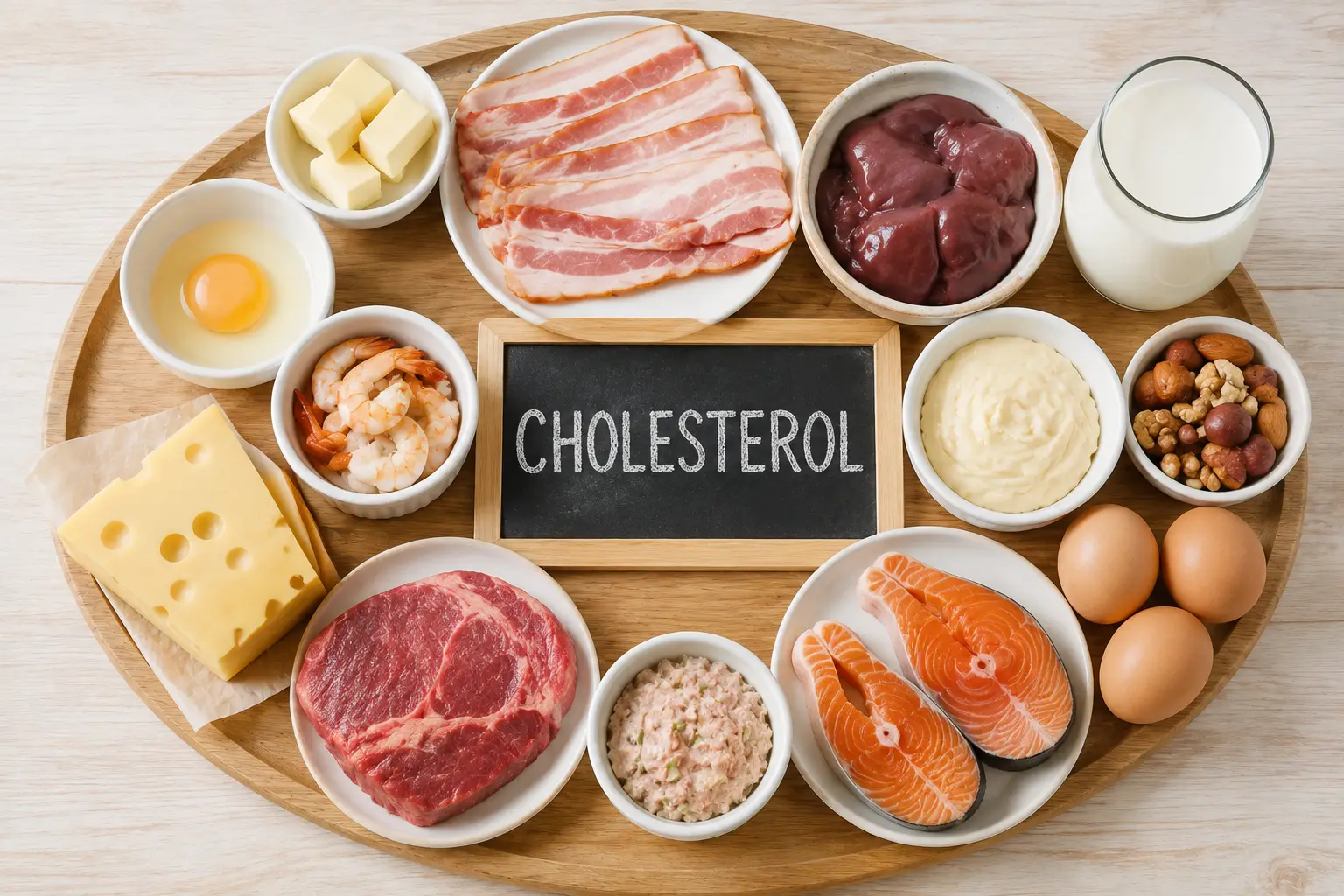
A large proportion of the cholesterol in our bodies does not come directly from food. It is produced mainly by the liver because cholesterol is needed, among other things, to build cell membranes and produce steroid hormones and bile acids. Cholesterol levels are therefore influenced not only by diet and body weight, but also by genetics, hormonal balance, other medical conditions, and certain medications.
Genetics is particularly important. In some people, high LDL cholesterol runs in families. The best-known example is familial hypercholesterolemia – a genetic disorder in which the body has difficulty removing LDL cholesterol from the bloodstream efficiently. The heterozygous form may affect approximately 1 in 250 people. A person may be slim, physically active, eat a healthy diet, and still have LDL levels significantly above the recommended range. An LDL level of around 190 mg/dL or higher deserves particular attention, especially if similar results occur in other family members or if there is a family history of heart attacks or strokes at a young age.
High cholesterol can also have causes completely unrelated to genetics. One example is hypothyroidism. Thyroid hormones affect lipid metabolism, so a deficiency can lead to increased LDL levels. Sometimes an abnormal lipid profile is one of the first signs that TSH should be checked. Similar abnormalities may occur in people with diabetes, certain kidney or liver diseases, as well as during treatment with some medications.
However, diet should not be completely overlooked simply because someone is slim. A healthy body weight does not tell us what a person actually eats. A diet high in saturated and trans fats can increase LDL even in someone who has never been overweight. Important dietary sources include large amounts of fatty meat, processed meat products, butter, high-fat dairy products, and highly processed foods. Interestingly, two people following very similar diets may have completely different lipid profiles because each person’s body responds somewhat differently to dietary fats.
Total cholesterol alone, however, provides relatively limited information. It is much more important to assess the entire lipid profile – particularly LDL, HDL, and triglycerides, and in certain situations also non-HDL cholesterol, apolipoprotein B (ApoB), and lipoprotein(a), or Lp(a). The latter is particularly interesting because its concentration is largely determined by genetics and is relatively weakly influenced by lifestyle. A person may therefore exercise regularly, maintain a healthy body weight, and follow a balanced diet, yet still have an increased cardiovascular risk associated with high Lp(a).
It is also worth addressing the term “good cholesterol.” A high HDL level does not automatically mean that a high LDL level can be ignored. Cardiovascular risk is assessed based on multiple factors, including age, blood pressure, smoking, diabetes, kidney disease, family history, and individual lipid parameters. There is therefore no single LDL value that is appropriate for everyone.
Why does this matter even in a young and slim person? Atherosclerosis develops over many years and may remain completely asymptomatic for a long time. Elevated LDL promotes the accumulation of cholesterol within artery walls, and what matters is not only how high the LDL level is, but also how long the body has been exposed to it. Someone who has had high LDL since the age of thirty may accumulate cardiovascular risk over the following decades despite feeling completely healthy for most of that time.
If a lipid profile is abnormal, it is worth interpreting it properly rather than focusing solely on body weight. A doctor may recommend repeating the lipid profile, checking glucose or HbA1c, TSH, and assessing liver and kidney function. In cases of very high LDL, a significant family history, or premature cardiovascular disease in the family, further testing may include ApoB and Lp(a), and in selected cases, diagnostic evaluation for familial hypercholesterolemia.
Treatment also does not depend on a person’s appearance. For some people, changes in diet and physical activity may be sufficient. For others – particularly those with a high cardiovascular risk or very high LDL levels – medication may be necessary. Being slim is not an argument against treatment when a person’s actual cardiovascular risk indicates that treatment is needed.
High cholesterol in a slim person is therefore not a paradox. Body weight is only one of many factors influencing metabolic health. A person can have a normal BMI and still require treatment for lipid disorders, just as someone can be overweight without having very high LDL cholesterol. Rather than judging cardiovascular risk by appearance, much more can be learned from a lipid profile, family history, and other cardiovascular risk factors. Particularly high LDL levels should not simply be dismissed as “just the way my body is” – sometimes such a result is the first sign of a condition that may remain otherwise asymptomatic for many years.
Patient FAQ
Do eggs raise cholesterol?
Eggs can be part of a balanced diet, but their effect on LDL depends on the person’s overall dietary pattern. In practice, particular attention is paid to limiting saturated and trans fats rather than judging a single food in isolation from the rest of the diet.
Can you have atherosclerosis without knowing it?
Yes. Atherosclerosis can develop for a long time without causing noticeable symptoms. In certain situations, evidence of subclinical atherosclerosis found on imaging tests may influence cardiovascular risk assessment.
Can cholesterol increase after menopause?
Yes. Unfavourable changes in the lipid profile, including an increase in LDL cholesterol, are commonly observed after menopause. Changes in oestrogen levels are one of the contributing factors.
Does alcohol raise cholesterol?
Alcohol can particularly increase triglyceride levels. It should not be considered a way to improve HDL cholesterol or prevent cardiovascular disease.
Is high cholesterol more dangerous in smokers?
Yes. Smoking and high LDL cholesterol are independent risk factors for atherosclerosis. When they occur together, the risk of heart attack and stroke increases further.
References:
Mach F, Baigent C, Catapano AL, et al. 2019 ESC/EAS Guidelines for the management of dyslipidaemias: lipid modification to reduce cardiovascular risk. European Heart Journal. 2020;41(1):111-188.
European Society of Cardiology, European Atherosclerosis Society. 2025 Focused Update of the 2019 ESC/EAS Guidelines for the management of dyslipidaemias. European Heart Journal. 2025.
Visseren FLJ, Mach F, Smulders YM, et al. 2021 ESC Guidelines on cardiovascular disease prevention in clinical practice. European Heart Journal. 2021;42(34):3227-3337.
Ference BA, Ginsberg HN, Graham I, et al. Low-density lipoproteins cause atherosclerotic cardiovascular disease. Evidence from genetic, epidemiologic, and clinical studies. European Heart Journal. 2017;38(32):2459-2472.
Nordestgaard BG, Chapman MJ, Humphries SE, et al. Familial hypercholesterolaemia is underdiagnosed and undertreated in the general population: guidance for clinicians to prevent coronary heart disease. European Heart Journal. 2013;34(45):3478-3490.
Grundy SM, Stone NJ, Bailey AL, et al. 2018 AHA/ACC Guideline on the Management of Blood Cholesterol. Circulation. 2019;139:e1082-e1143.
Pearson GJ, Thanassoulis G, Anderson TJ, et al. 2021 Canadian Cardiovascular Society Guidelines for the Management of Dyslipidemia for the Prevention of Cardiovascular Disease in Adults. Canadian Journal of Cardiology. 2021;37(8):1129-1150