
Borderline Part 2 – DSM-5 vs ICD-11. Why Has the Approach to Diagnosis Changed?

Modern psychiatry is increasingly moving away from the simple idea of “you either have borderline or you don’t.” The latest ICD-11 classification has changed the way personality disorders – including borderline – are diagnosed, focusing more on the severity of difficulties and the individual’s functioning rather than rigid diagnostic categories. How does DSM-5 differ from ICD-11, and why does it matter?
Borderline – why do emotions so easily take control?

Some people live in a constant state of emotional tension that those around them often do not even notice. An intense fear of rejection, sudden emotional shifts, feelings of emptiness, or difficulty calming down can affect relationships, daily functioning, and the way a person sees themselves. Increasing research shows that these symptoms are not caused solely by emotions themselves, but also by specific mechanisms related to how the brain and nervous system function.
Alcohol and the Brain: How Does Addiction Develop?

Alcohol is one of the most normalized psychoactive substances, which makes it very easy for people to stop perceiving it as something that genuinely affects the brain and the health of the entire body. The problem is that addiction most often does not develop suddenly — it usually begins much earlier than many people realize.
Thyroid Disorders and Mental Well-Being

Fatigue, low energy, difficulty concentrating, low mood, trouble “feeling like yourself again,” increased irritability, or a sense of mental slowing.Many people automatically associate these symptoms with depression or chronic stress.The issue is that thyroid disorders can produce a very similar picture.
Coffee and Anxiety – Why Do You Feel Uneasy After Coffee?

Coffee is one of the most widely consumed beverages in the world. For many people, it’s a daily ritual that improves concentration, boosts energy, and helps them function through a fast-paced day.
Do Medications Ruin Sexual Life? Facts and Myths

Decreased libido, erectile problems, or difficulty reaching orgasm are among the most commonly reported side effects of medications.It’s no surprise that many people feel anxious about starting treatment. In reality, however, the impact of medications on sexual life is far more complex—and contrary to common belief, not all drugs have negative effects.
Omega-3 – do they really work, or are they one of the most overrated supplements?

Some say they improve memory, others claim they “do nothing.”Some take them daily, others consider them unnecessary.The truth about omega-3 fatty acids is not black and white—and that’s exactly why it’s worth understanding when they actually work and when their effects may go unnoticed.
Overstimulation – Why Is Your Brain Constantly Tired?
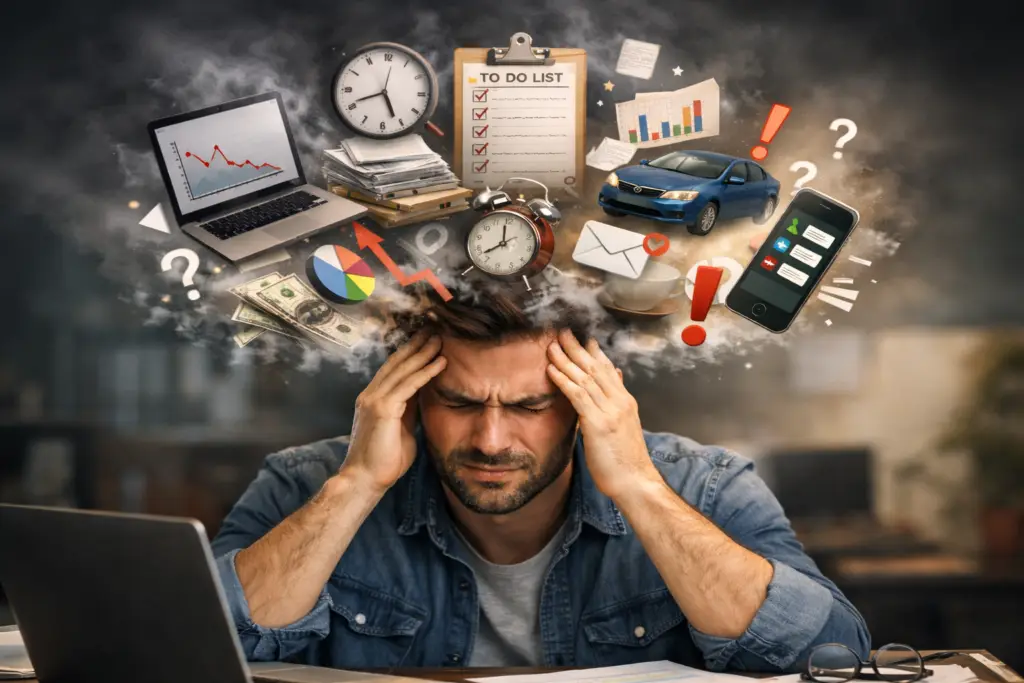
Chronic mental fatigue, difficulty concentrating, irritability, and sleep problems are not always caused by a lack of rest. More and more often, they are the result of an overloaded nervous system caused by excessive stimuli.
Overstimulation is a real psychophysical state that can significantly affect daily functioning and overall health.
This supplement does more than just a “pump.” Creatine and the brain, memory, and health

Creatine is mainly associated with the gym and building muscle mass, but it is one of the most well-researched substances in medicine and human physiology.
More and more studies show that it may affect not only strength, but also memory, concentration, mood, and even brain development—including during pregnancy.
Two Poles of One Mind – What Life with Bipolar Disorder Really Looks Like

You may sleep only 3 hours a night for several days and feel as if you have unlimited energy.
Ideas come in waves, everything seems possible. And then suddenly—you don’t have the strength to get out of bed, and the simplest tasks become impossible.
This is not just a “bad day.” It may be Bipolar Disorder.